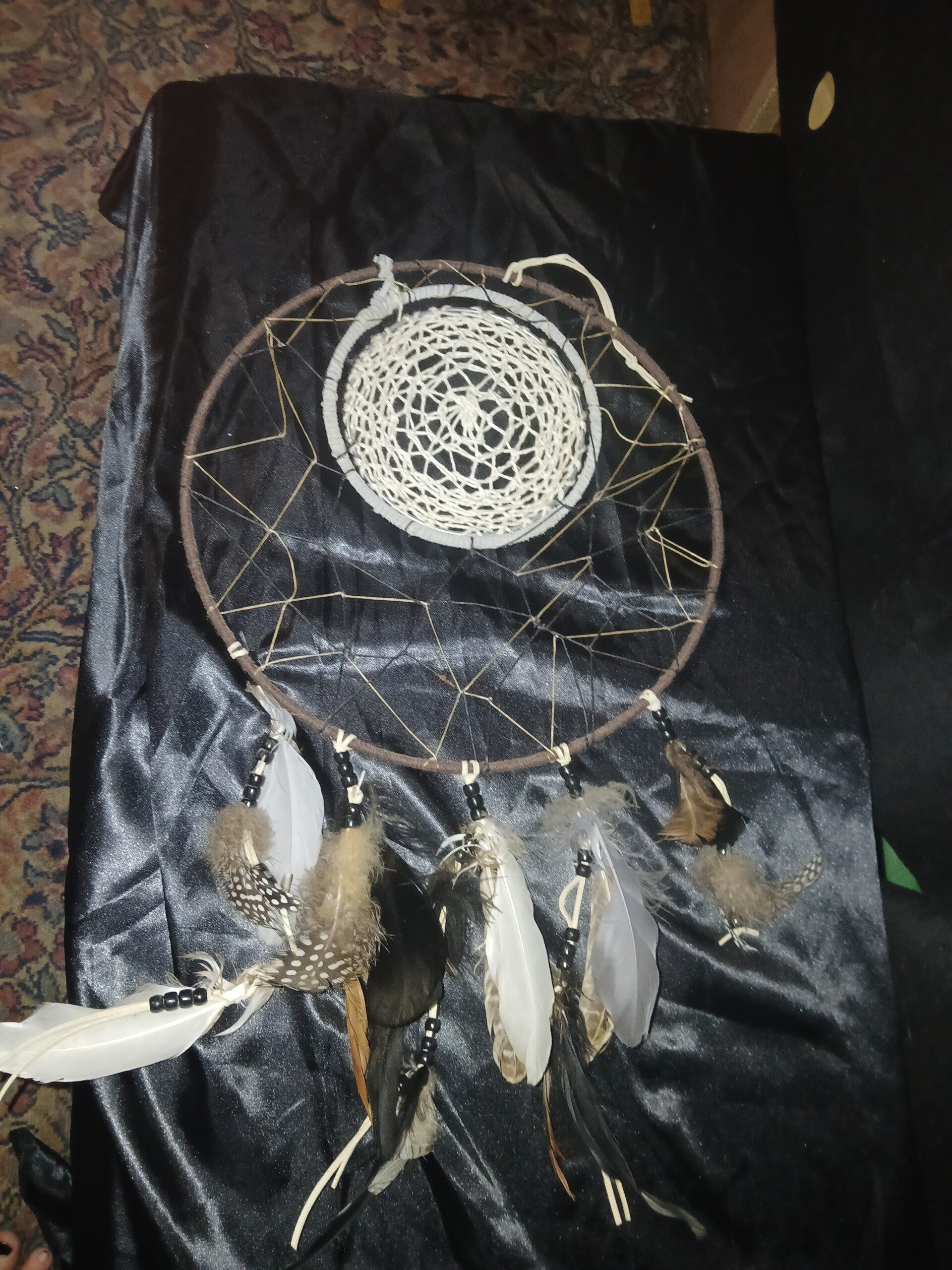
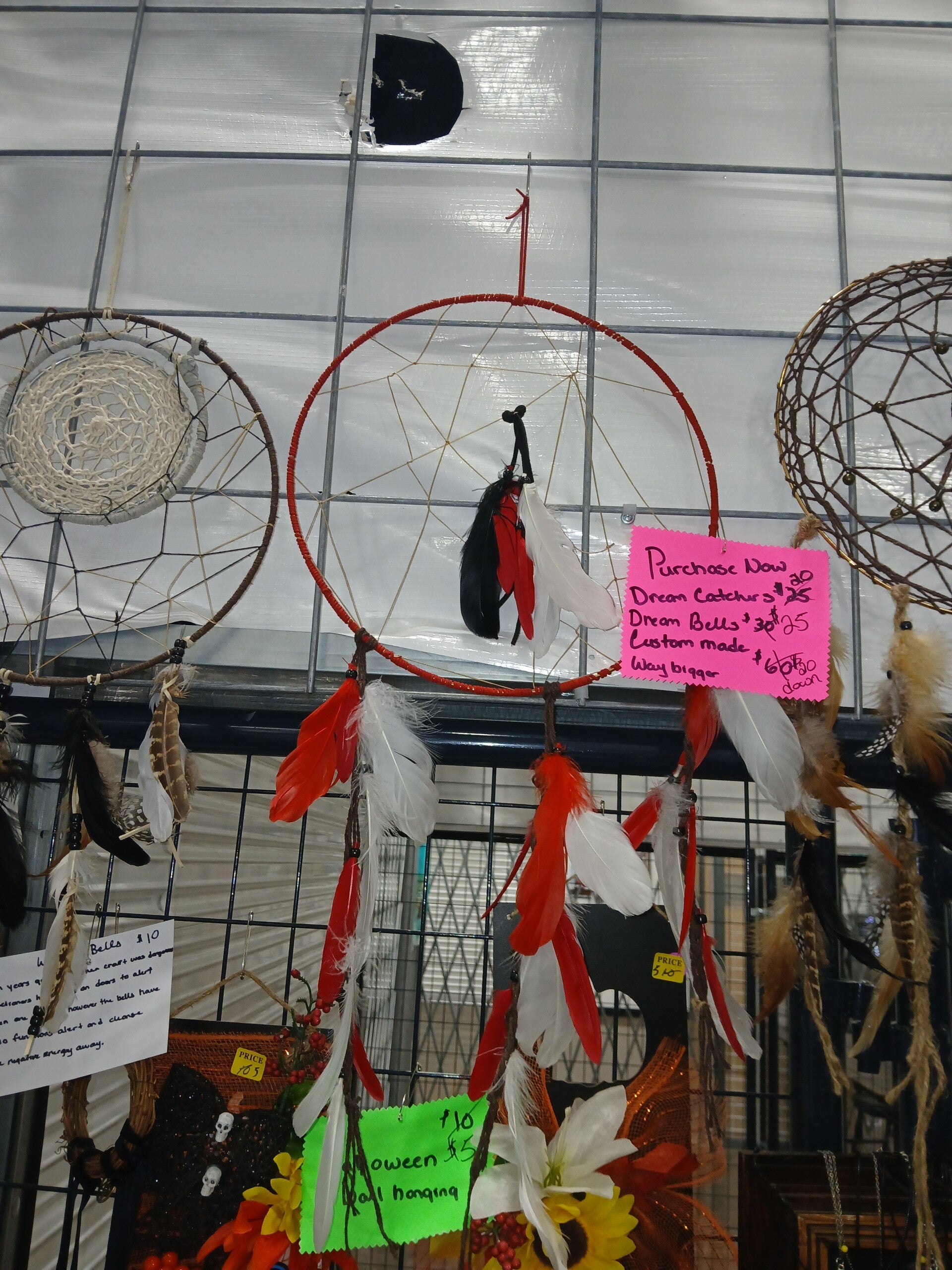
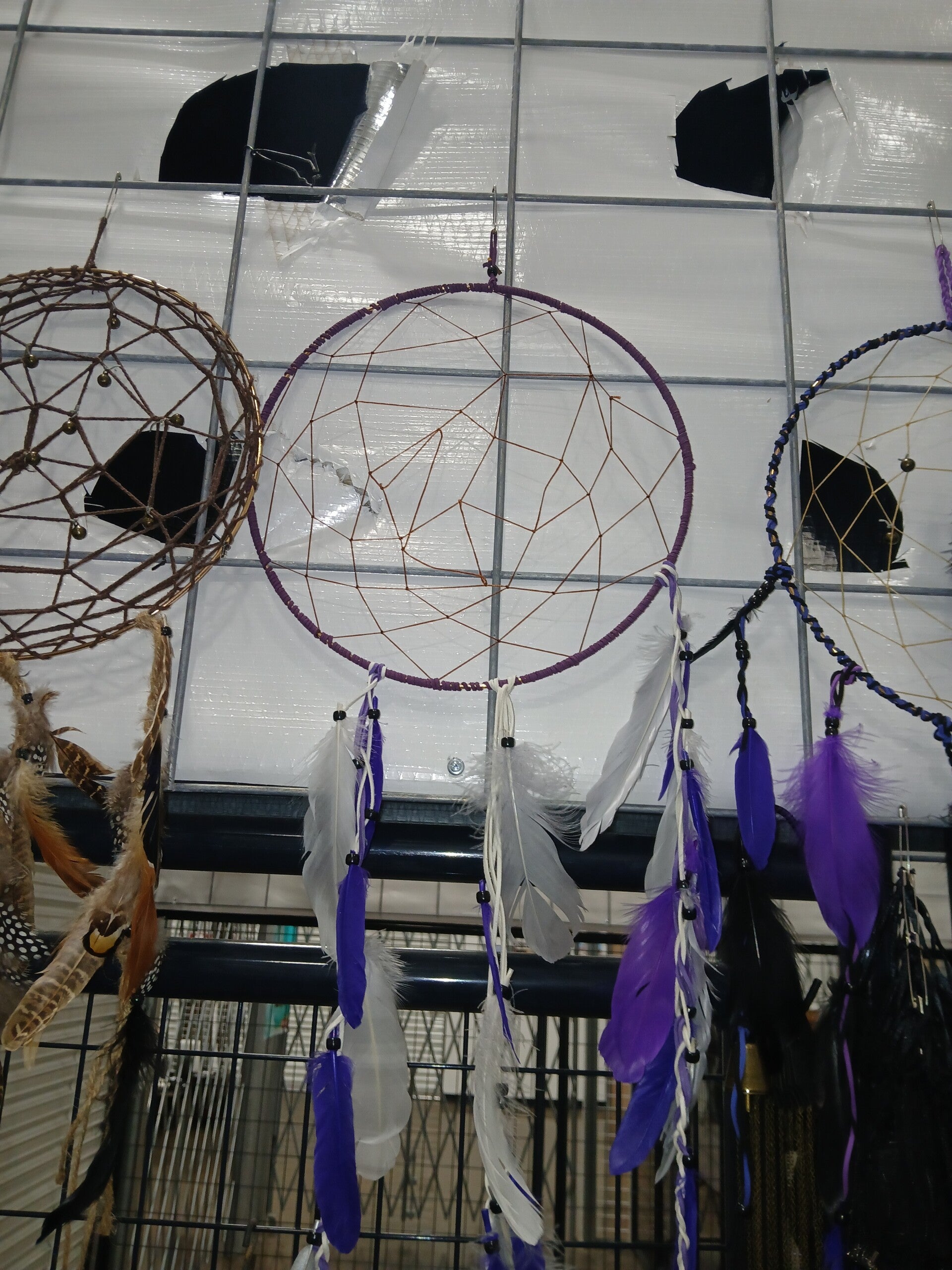
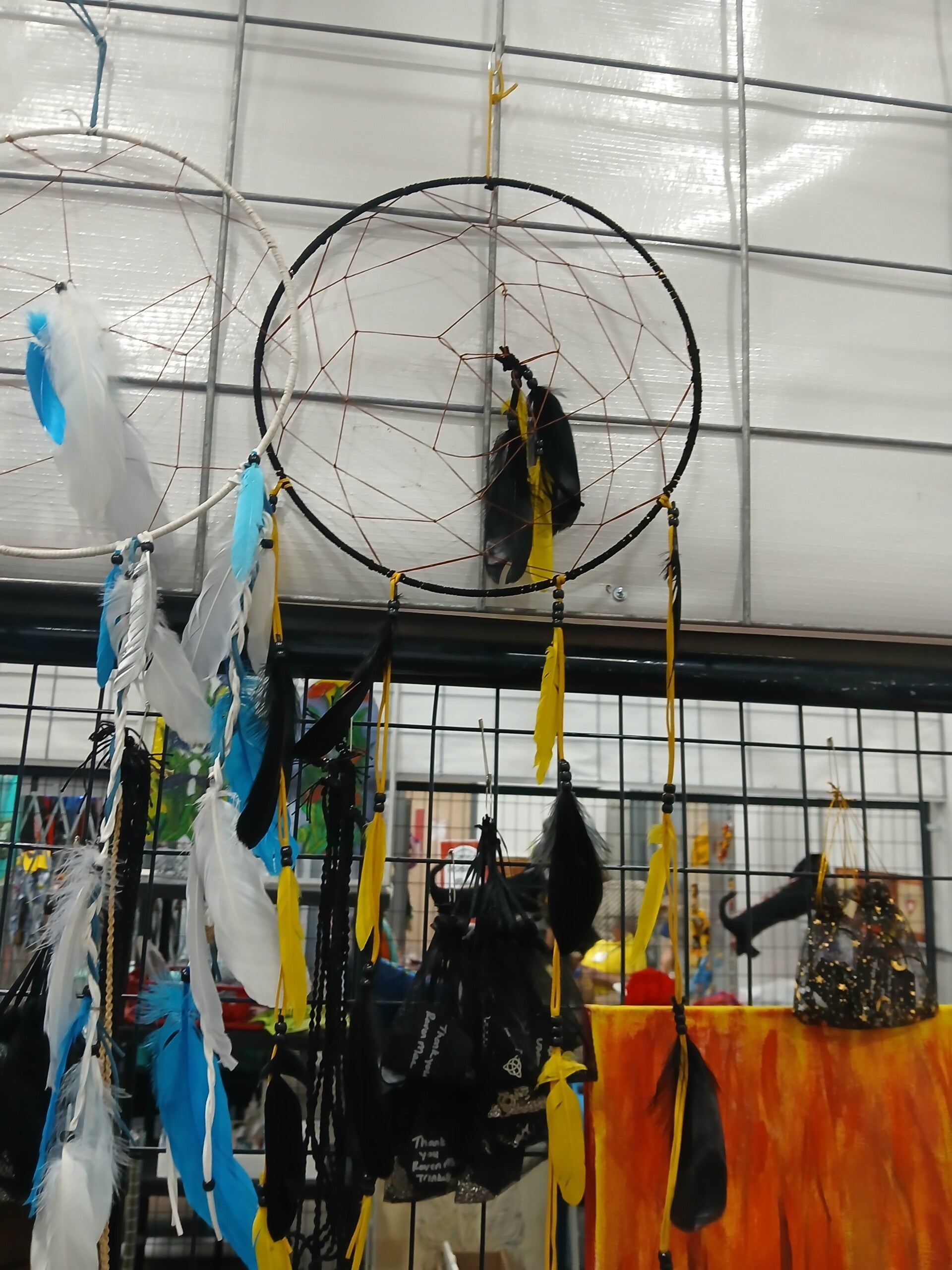
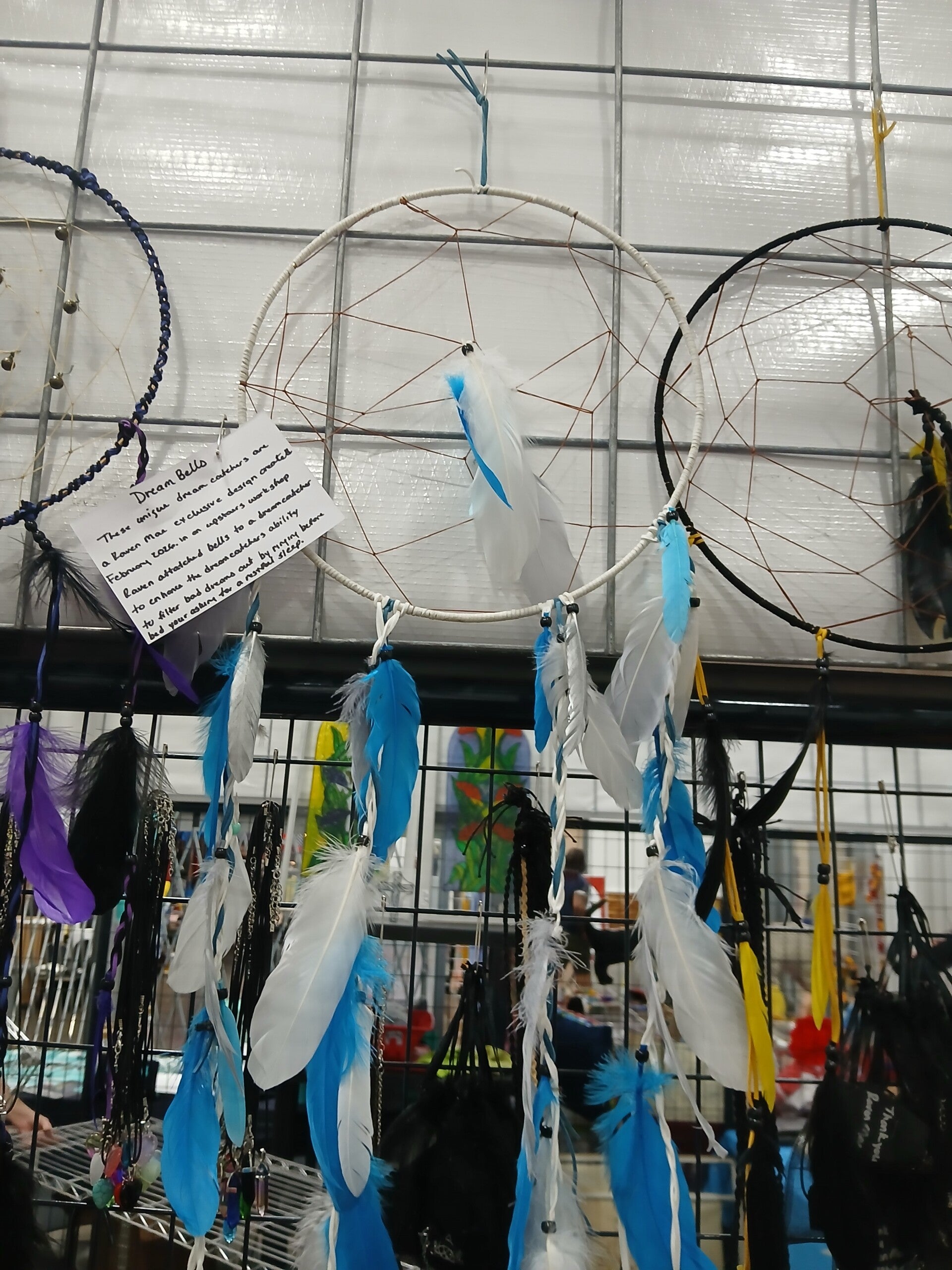
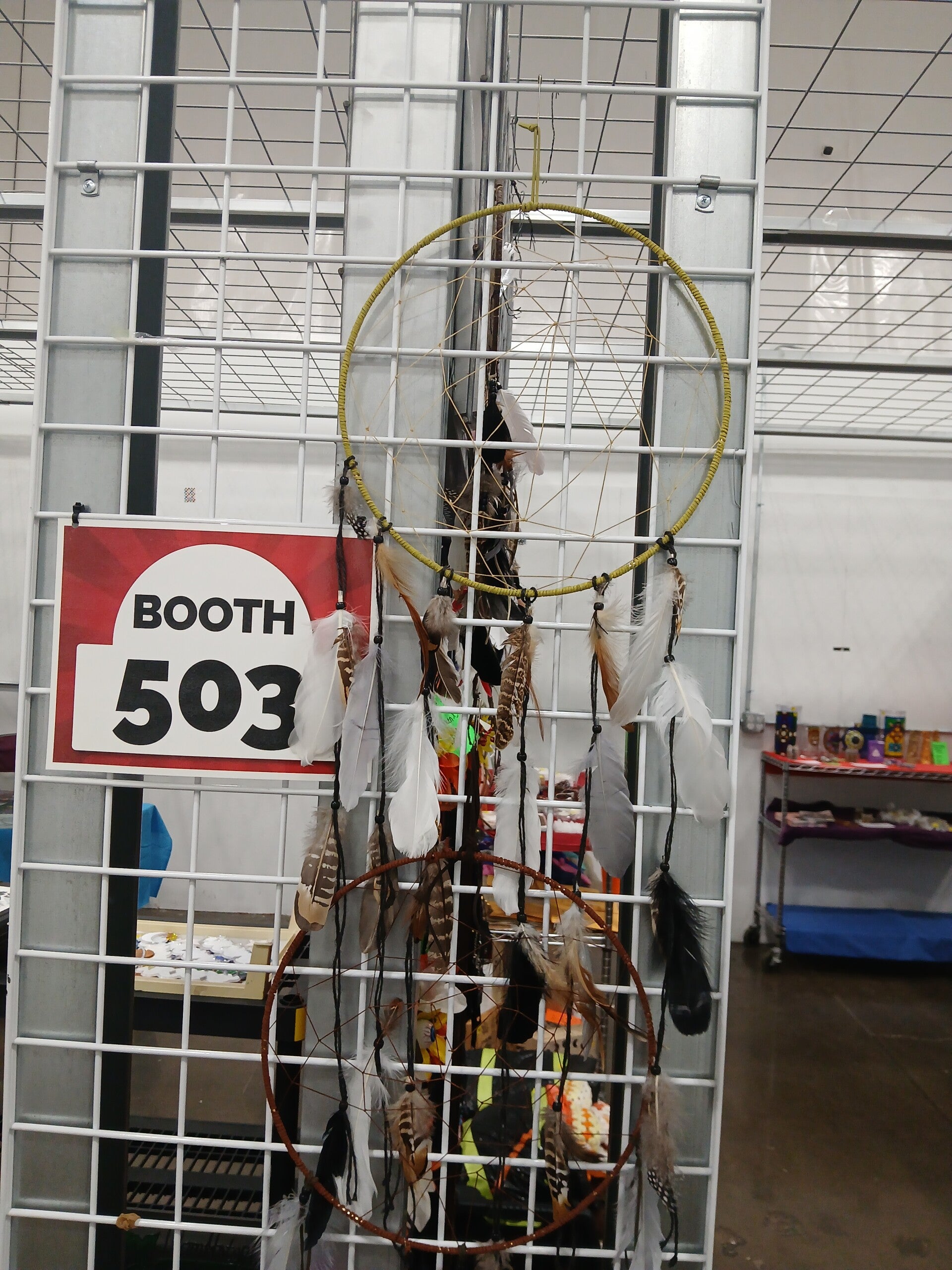
Dreamcatchers were originally handcrafted from willow hoops, woven into a delicate web or net. Often adorned with feathers and beads, these beautiful creations are traditionally hung above cradles, serving as protective charms.
While the tradition began with the Ojibwe people, dreamcatchers gained popularity across Native American communities during the 1960s and 1970s, thanks to the Pan-Indian Movement.
They symbolize unity and are a powerful representation of Indigenous identity.
Here are a few stories that illustrate the origins of the dreamcatcher:
Story of Asibikaashi - The Spider Woman
Asibikaashi was the guardian of all Ojibwe infants and adults. As the Ojibwe began to migrate across North America, her responsibilities became overwhelming. To assist her, women were entrusted with weaving webs and placing protective charms for infants, ensuring that any surrounding harm would be captured.
Alternate Ojibwe Legend
"A grandmother observed a spider spinning its web above her sleeping place. One day, her grandson noticed the spider and attempted to kill it."
"'Don’t harm him,' she gently urged, surprising the boy."
"'But grandmother, you shouldn’t protect this spider.'"
After the grandson left, the spider expressed gratitude for her kindness and promised her a gift: "I will weave a web that hangs between you and the moon, capturing bad thoughts and keeping them at bay while you dream."
With that, the grandmother smiled and continued to watch the spider spin its web.
Lakota Legend
"While receiving a spiritual vision on a mountain, a Lakota leader encountered Iktomi, a wise trickster. Transforming into a spider, Iktomi crafted a willow hoop and spun a web within it."
"He explained to the elder that many forces, both light and dark, would try to enter people's dreams. The dreamcatcher he was creating would capture the light forces while allowing the dark ones to slip away and burn up. Iktomi instructed the elder to make dreamcatchers for his people, enabling them to embrace a bright future by capturing the good dreams carried by the winds of the night."
As a young girl, Raven learned the art of crafting dreamcatchers and the stories behind them. She also understood that misusing or exploiting this sacred design is disrespectful to Indigenous cultures and diminishes its significance. Therefore, she crafted them with care, typically for herself or her family. Each weave embodied her intentions, ensuring that anyone who received one of these exquisite creations would not only remember their dreams but also be shielded from nightmares. For some, dreams came with profound clarity.